
Table of Contents
- How to Handle Pressure as Quarterback: The Complete Framework
- Master Pre-Snap Reads to Recognize Pressure Before the Ball Snaps
- Develop Quarterback Pocket Presence Drills for Escape Routes
- Build Mental Toughness Training for Football Players
- Perfect Quarterback Escape Mechanics for Decision-Making Under Pressure
- Situational Awareness: Read Progression and Coverage Recognition
- Implement Your Pressure Management System
- Frequently Asked Questions
Last Updated: September 25, 2026
How to Handle Pressure as Quarterback: The Complete Framework
Handling pressure as a quarterback separates elite players from the rest. When defenders rush, the pocket collapses, and split-second decisions determine outcomes. This guide from QB Factory breaks down how to handle pressure as quarterback, the exact system top quarterbacks use to stay composed, make faster reads, and execute under duress.
The ability to handle pressure as a quarterback isn’t just about arm talent or athleticism. It’s about preparation, mental toughness, and repeatable mechanics. Players who master these three elements transform pressure situations into opportunities.
Master Pre-Snap Reads to Recognize Pressure Before the Ball Snaps
The best way to handle pressure is to see it coming before the snap. Pre-snap reads eliminate guesswork and let you know exactly what’s coming.
Defensive alignments tell a story. Count the box. Identify the safeties. Spot the linebacker positioning. When you know what defense you’re facing, you know where pressure will come from.
Film study is non-negotiable here. Watch how defenses disguise their intentions. Notice which cornerbacks play man coverage. Track which safeties rotate late. The patterns repeat. Once you recognize them, you’ve already won half the battle before the ball is snapped.
Identifying Defensive Alignments and Blitz Packages
Blitz packages come in predictable forms. A linebacker creeping up means an A-gap blitz is likely. Safeties rotating down signal coverage pressure. Cornerbacks lined up tight suggest man coverage with potential safety help over the top.
Learn the numbers game. If you count five or six defenders in the box against your five-man protection, you’re facing a blitz. That knowledge changes everything about your read progression and decision-making.
Common blitz looks include:
- A-gap blitz from linebackers
- B-gap pressure from safeties
- Corner blitz from the secondary
- Overload to one side forcing you to hot route
- Zero blitz with both safeties attacking
Recognizing these pre-snap gives you options. You can audible protection. You can adjust your route tree. You can get the ball out faster.
Film Study Techniques for Pressure Recognition
Watch film with a specific purpose: pressure recognition. Don’t just watch the play unfold. Pause before the snap and predict what’s coming. Then watch if you were right.
Create a personal pressure catalog. Document which defenses your opponents run most. Note the personnel tendencies. Some teams blitz their safeties constantly. Others rely on defensive line penetration. Others use corner blitzes in specific down-and-distance situations.
Study your own tape too. Identify patterns in how you’ve handled pressure. When did you make good decisions? When did you panic? What changed? This self-awareness accelerates improvement.
The best quarterbacks spend as much time studying defensive tendencies as they do throwing. They know what’s coming before the offense lines up, which means they’re already thinking three steps ahead.
Develop Quarterback Pocket Presence Drills for Escape Routes
Pocket presence isn’t magic. It’s the result of deliberate practice and understanding how space moves around you.
Pocket presence means knowing where pressure is coming from without looking directly at it. It means feeling the pocket collapse and moving to the open grass. It means understanding that sometimes stepping up is better than stepping back.
The best drills for pocket presence isolate movement patterns. You need reps moving in different directions while keeping your eyes downfield. You need to practice escaping pressure while maintaining your throwing platform.
Movement Patterns and Footwork Under Duress
Your footwork determines everything when pressure hits. Narrow steps keep you balanced. Wide steps slow you down. Lateral movement should be decisive, not hesitant.
When a defender rushes your blind side, your first instinct should be to step up into the pocket, not back away from it. Stepping back extends the play but puts you deeper in your own end zone. Stepping up gives you a cleaner throwing lane.
Practice these footwork patterns:
- Slide to the right while keeping eyes left
- Step up in the pocket while scanning downfield
- Roll left with the ability to throw on the move
- Escape right and reset your feet for accuracy
- Navigate traffic without losing field vision
Each pattern needs hundreds of reps before it becomes automatic. When pressure arrives in a game, your feet should know what to do without conscious thought.
Post-Snap Adjustment Protocols
Post-snap adjustments happen in milliseconds. You read the defense. You see it doesn’t match your pre-snap read. You adjust.
This is where mental processing speed matters. Your brain needs to recognize the mismatch, identify the open receiver, and signal your body to execute. The faster this loop runs, the better your results.
Develop a personal protocol for common mismatches. If you expected man coverage but see zone, know immediately where your hot route is. If you expected pressure on your right but it comes from the left, know which receiver becomes your priority.
Quarterback Registration (Required) →
The quarterbacks who handle pressure best aren’t reacting to what’s happening. They’re executing a predetermined adjustment protocol they’ve practiced hundreds of times.
Build Mental Toughness Training for Football Players
Physical preparation matters. Mental preparation matters more when pressure arrives.
Mental toughness isn’t about being tough. It’s about managing stress, staying focused, and executing your process even when circumstances are chaotic.
Visualization and Mental Reps
Visualization rewires your nervous system. When you visualize handling pressure successfully, your brain stores that experience as a memory. In a game, under real pressure, your brain recalls that visualization and knows how to respond.
Mental reps work best when they’re specific. Don’t just imagine “handling pressure.” Imagine the exact defensive look. Imagine your pre-snap read. Imagine the blitz coming. Imagine your footwork. Imagine the throw. Make it as real as possible.
Many quarterbacks do mental reps the night before games. Some do them during warm-ups. The timing matters less than the consistency. Build the habit of mental preparation into your routine.
Visualization techniques include:
- Pre-snap recognition drills in your mind
- Footwork sequences executed mentally
- Throwing into tight windows without physical movement
- Handling specific pressure scenarios you expect to face
- Recovery sequences after making mistakes
Managing Game-Time Anxiety and Stress Response
Game-time anxiety is normal. Your heart rate rises. Your breathing quickens. Your muscles tense. These are natural stress responses.
The goal isn’t to eliminate anxiety. The goal is to manage it so it doesn’t interfere with execution. Deep breathing helps. Box breathing (inhale for 4, hold for 4, exhale for 4, hold for 4) activates your parasympathetic nervous system and calms your physiology.
Mindfulness techniques help too. Notice the anxiety without judgment. Acknowledge it. Then redirect your attention to your process. What’s your next read? What’s your footwork? What’s your throwing progression? Focusing on process pulls your mind away from outcome anxiety.
Physical preparation also matters. Proper sleep, hydration, and nutrition stabilize your stress response. When your body is depleted, anxiety amplifies. When you’re well-prepared physically, mental pressure becomes manageable.
Ignoring game-time anxiety doesn’t make it disappear. It grows. Acknowledge it, manage it through breathing and mindfulness, then execute your process anyway.
Perfect Quarterback Escape Mechanics for Decision-Making Under Pressure
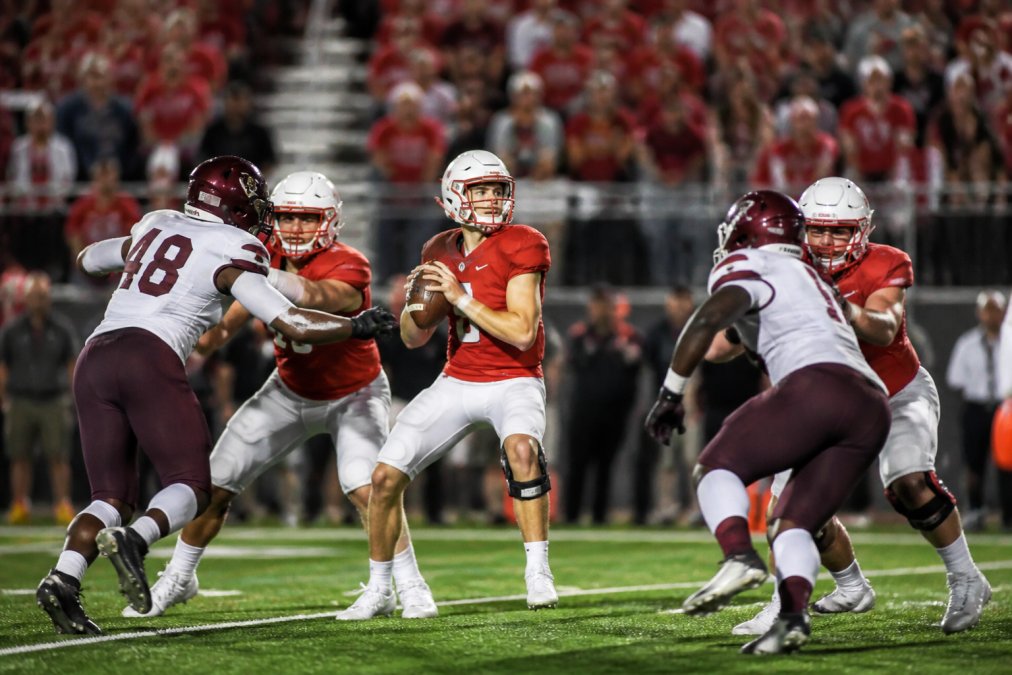
Escape mechanics separate good quarterbacks from great ones. When the pocket breaks down, your ability to move and throw accurately determines the outcome.
Footwork Mechanics and Throwing Accuracy on the Move
Throwing on the move requires different footwork than throwing from a clean pocket. Your base is narrower. Your steps are quicker. Your platform is less stable.
Throwing on the move drills should include:
- Escape left and throw across your body
- Escape right and throw with momentum
- Reset your feet after scrambling
- Throw sidearm when necessary
- Maintain accuracy while moving backward
Maintaining Focus on the Primary Read During Scrambles
When you scramble, your read progression doesn’t disappear. It evolves.
Situational Awareness: Read Progression and Coverage Recognition
Situational awareness is your ability to process the field in real time. It combines pre-snap reads, post-snap coverage recognition, and decision-making speed.
Implement Your Pressure Management System
Handling pressure as a quarterback requires a system. It’s not one skill. It’s the integration of pre-snap reads, pocket presence, mental toughness, escape mechanics, and situational awareness working together.
Your system should include:
- Daily film study focused on pressure recognition
- Pocket movement drills three times per week
- Mental visualization before every practice and game
- Escape mechanics work integrated into throwing sessions
- Game film review analyzing your own pressure decisions
Quarterbacks serious about playing college football or beyond. This system requires commitment and consistency, but it transforms how you handle pressure in games.
Frequently Asked Questions
What qualifies as QB pressure in modern football?
QB pressure occurs when a defender reaches the quarterback within 2.5 seconds of the snap or forces the QB to move from the pocket. This includes defensive linemen, blitzers, and secondary players attacking the line of scrimmage. Understanding pressure types, immediate contact pressure versus delayed blitz pressure, helps you recognize threats during pre-snap reads and adjust your protection scheme or audible accordingly.
How does developing pocket presence improve your ability to handle pressure?
Pocket presence combines situational awareness, footwork mechanics, and decision-making to keep you effective when defenders close in. Quarterbacks with strong pocket presence navigate escape routes, maintain throwing accuracy on the move, and identify secondary receivers without panicking. Dedicated quarterback pocket presence drills train your feet and eyes to work together, allowing you to extend plays and avoid negative plays while staying focused on your read progression.
Can mental toughness training actually reduce performance anxiety on game day?
Yes. Mental toughness training for football players uses visualization, breathing techniques, and stress inoculation to build composure under pressure. When you mentally rehearse high-pressure scenarios during practice, your brain treats actual game situations as familiar. This reduces cognitive load and allows you to execute your mechanics automatically rather than overthinking decisions during critical moments.
What’s the difference between ‘feeling’ pressure and ‘seeing’ pressure?
Seeing pressure means you recognize defensive alignments and blitz packages before the snap through film study and pre-snap reads. Feeling pressure means reacting after the ball is snapped. Elite quarterbacks rely primarily on seeing pressure because it gives them time to audible, adjust protection, or get the ball out faster. Film study techniques for pressure recognition train you to identify defensive tendencies so you see threats coming rather than scrambling to escape them.